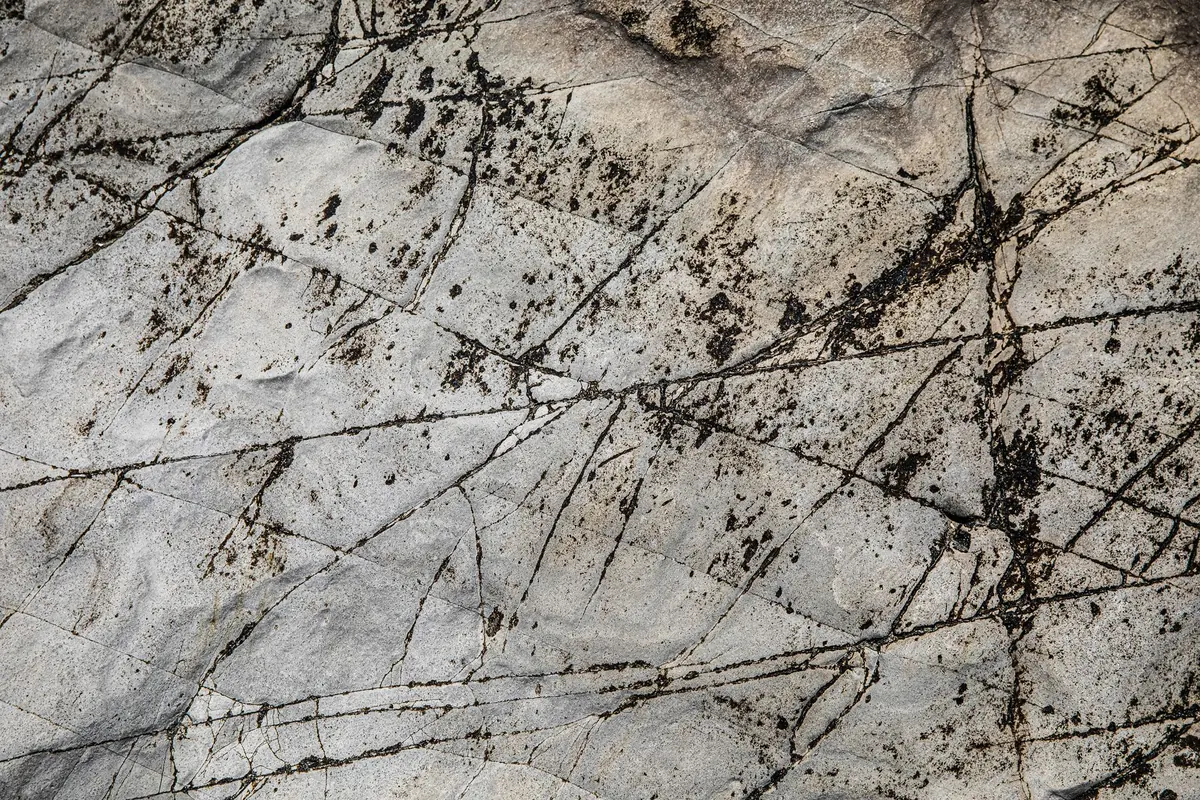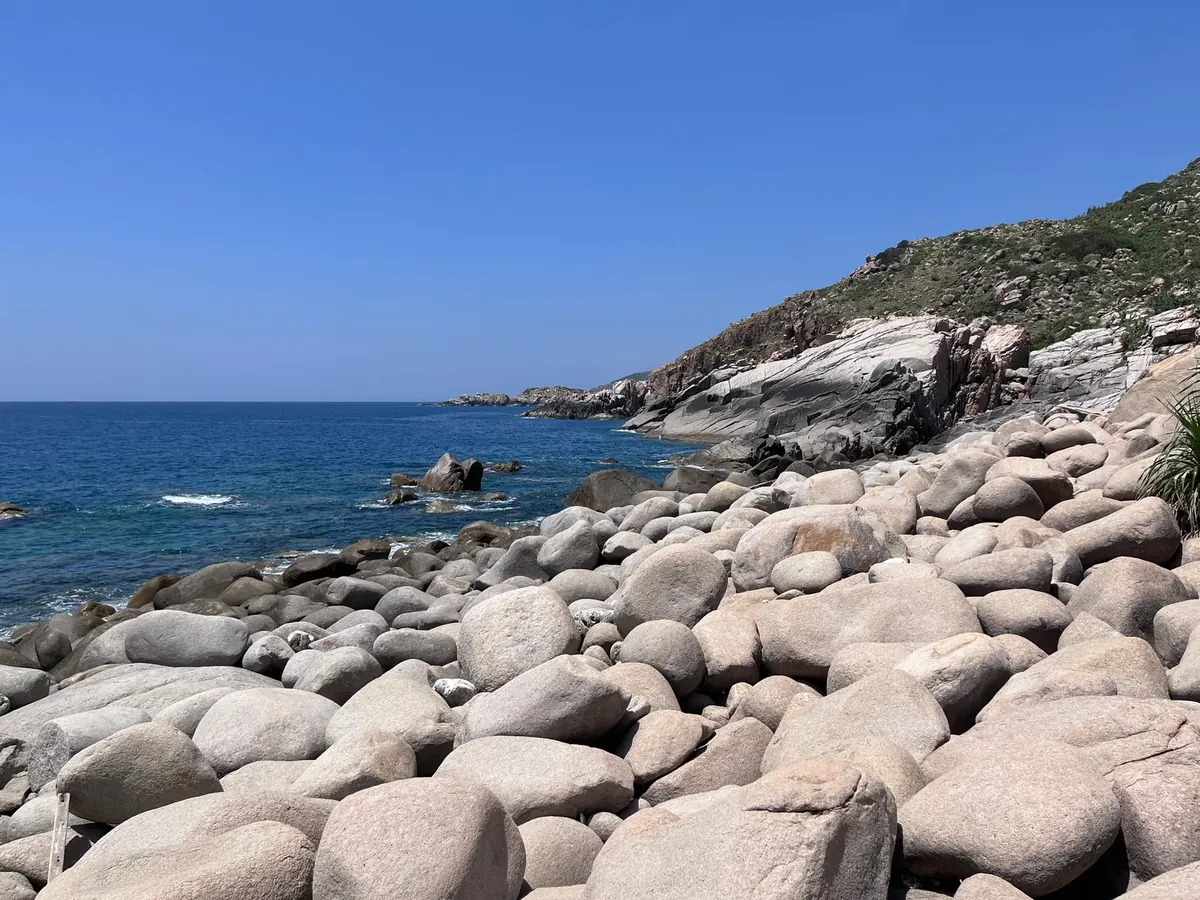
Quartz is the most abundant mineral in Britain, which is both good news and a mild frustration. It is under almost every footstep, yet the collectable pieces — clean crystals, decent colour, something worth carrying home in a rucksack — tend to appear in specific places at specific times of year. A beach that yields milky quartz pebbles in February can look utterly empty in July, not because the material has gone but because sand, weed and hikers' footprints have covered it. Learn the seasons and you will spend less time walking and more time finding.
Why the calendar matters as much as the map
British weather does the prospecting for you, if you let it. Winter storms strip sand from beaches and leave heavier pebbles and cobbles sitting proud on the surface. Hard frosts prise open joints in scree and spoil heaps, so the first mild, wet weeks of spring often expose fresh material that was locked away in autumn. By late spring, bracken and heather are rising and the best upland ground is disappearing under green. High summer is a mixed blessing: dry, grippy rock and low streams are easy to work, but vegetation hides almost everything and western midges make stationary hammering genuinely unpleasant.
Autumn brings the ground back. Rushing water scours stream beds, storms begin their work on the coast again, and the light stays good enough for a full day out. If you only get a handful of trips a year, aim for February to April on the coast and September to October in the hills.
Cornwall: beaches, cliffs and storm lines
The county's granite is threaded with quartz veins, many of them once worked for tin and copper, and the coast is where the best of it ends up. Storm beaches in west Cornwall are the classic starting point: loose milky quartz, sometimes shot through with black tourmaline, turns up among the cobbles after a big Atlantic swell. Look along the high tide line and at the back of the beach, where the sea has sorted material by weight and size.
Rocky foreshore at low water is worth a slow, patient scan too, particularly where pale veins cut across darker rock. Check tide tables before you go and give yourself a generous margin — Cornish beaches shelve quickly and the water arrives faster than people expect. Cliff collecting is a different matter: never hammer at an overhang or a loose face, and never work directly beneath one. Frost-shattered granite kills people in Cornwall more often than most visitors realise.
Dartmoor and the Peak District
Dartmoor's granite is full of quartz veins, and small crystals appear in the debris around tors and in stream beds after heavy rain. The catch is access. Much of the moor is common land and much of it is protected, so removing mineral without permission is not simply rude — it can be unlawful. Apply to the landowner or the national park authority first, and keep to loose surface material rather than digging into any bank or tor.
In the Peak District, quartz is common in the mineral veins of the limestone and in the gritstone edges. The small rock crystals historically known as Buxton diamonds are the sort of thing to look for: bright, clear points in clay-filled veins and on old spoil. Many Peak sites are on private land or within protected areas, and old mine ground is often unstable. Ask before you dig, and stay out of any shaft or adit, however tempting the colours inside.
Wales and the Lake District
Snowdonia's slate and volcanic rocks carry plenty of quartz, and the tips of long-abandoned quarries can be productive after rain washes them. Those tips are also steep, loose and frequently on private land, so treat them as places to look rather than places to scramble. Pembrokeshire's beaches offer a gentler option, with quartz pebbles mixed into shingle after winter storms.
In the Lake District, quartz veins appear in the Borrowdale and Coniston areas, and loose crystals turn up in scree and stream gravel. Almost all of the high ground is protected in some form and much of it is owned by the National Trust, which does not permit collecting on its land. Wherever you are, leave the site as you found it: fill in any small hole, replace rocks you have moved, and take nothing from a working face.
The Scottish Highlands: smoky quartz country
Scotland is where British quartz gets genuinely handsome. The granite of the Cairngorms and surrounding hills has produced smoky quartz for centuries — the brown-black "Cairngorm stones" set in Victorian jewellery — along with clear rock crystal in veins and cavities. The best ground is high, rough and weather-dependent. Snow can linger into May on the plateaux, and cloud can drop onto you in minutes.
Access in Scotland
Scottish access rights are generous for walking and quiet recreation, but they do not extend to removing minerals, and commercial collecting is not permitted under them. Much of the Cairngorms is designated for conservation, so permission is needed for anything beyond looking. Plan for long walk-ins, patchy phone signal, and midges from June to August.
Permission, safety and the few rules that matter
Almost every disappointing trip in Britain comes down to access rather than geology. Sort that out before you travel and the rest is straightforward.
- Identify the landowner or managing body and ask. National parks, National Trust land, forestry holdings and private estates all have their own rules.
- Check for designations. Sites of Special Scientific Interest, National Nature Reserves and scheduled monuments have legal protection; damaging or removing material from a scheduled monument is an offence.
- Assume the foreshore is owned by someone. Most of the UK foreshore belongs to the Crown Estate or Crown Estate Scotland, and large-scale or commercial collecting needs consent.
- If you intend to sell anything you find, take proper legal advice. Rules differ across England, Scotland, Wales and Northern Ireland, and ignorance is not a defence.
- Never enter mine workings, shafts or adits. Bad air, rotten timbers and sheer drops kill experienced people every year.
- Wear a helmet and eye protection if you are using a hammer, and never work alone on a cliff or high scree.
- Leave a plan with someone: where you are going, when you expect to be back, and what to do if you are not.
Getting started this season
Pick one site and learn it properly. A west Cornwall beach visited at three different low tides will teach you more than five hurried stops along the coast, and the same applies to a single Highland stream. Go after weather, not on a whim: a storm, a hard frost or a week of rain all improve your chances. Take a small hammer, a chisel, newspaper for wrapping, a sturdy bag and a tide table. Photograph anything you decide not to take, and leave the best material for the next person if it is in a fragile or protected spot. Quartz is common enough that nobody needs to damage a site to build a collection.
Photo: Falseman / Pexels